
Update June 2026, about NH Wildlife Legislation
The last day of the 2026 legislative session is June 4.
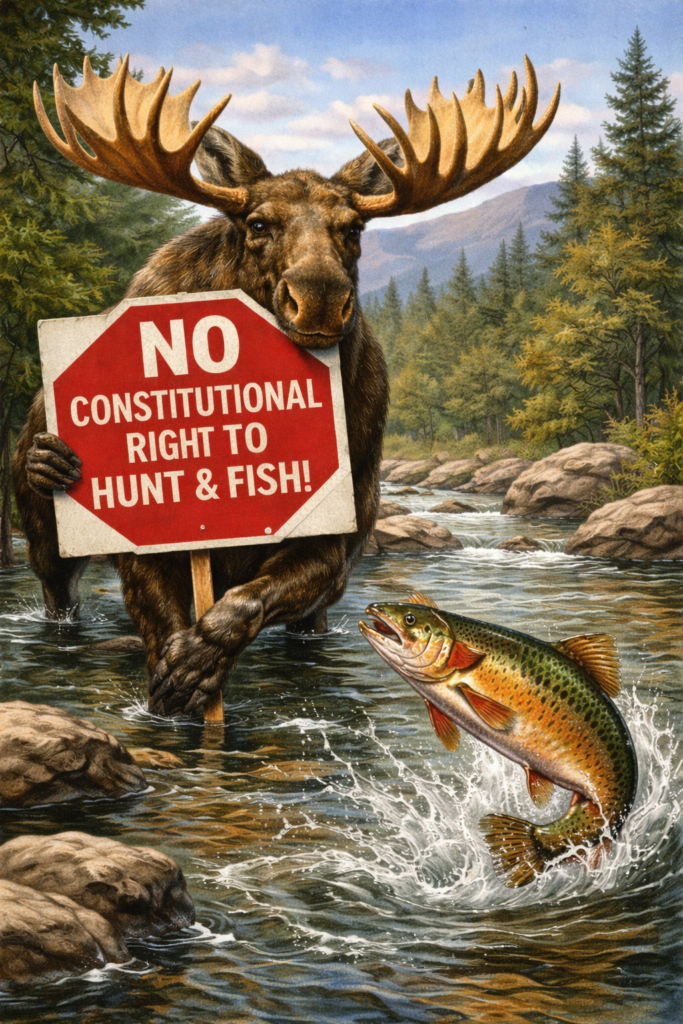
CACR 15 died in the full House Vote. This was to amend the NH Constitution to add hunting, fishing, and game harvesting. We testified in opposition and thankfully this didn’t pass.
HB 1603, the bill about threatened and endangered species in NH. Passed through the House. In the Senate, it was amended to a decent bill. It now has to go back to the House for a vote on the amendment. We opposed HB 1603 in the House and the Senate, but now, with the amendment, we no longer oppose.
SB 592 Wildlife Corridor bill https://tinyurl.com/wildcorridors passed both chambers and waits for the Governor to sign it. It is a good bill for wildlife and we supported.
HB 1530 https://tinyurl.com/beaverabutters This bill was defeated. It was a decent bill for beavers, as it would have alerted neighbors when beaver dams were worked on.
The bills below, which would have prohibited rodenticides and neonicotinoids, were important efforts to end the use of these poisons. Our lawmakers gave them serious consideration, and the public education and outpouring of support from New Hampshire residents were immense. In the end, however, lawmakers decided to leave the issue to the Pesticide Control Board. We will be watching the Pesticide Control Board closely to ensure meaningful action is taken to ban these poisons or, at a minimum, impose strong restrictions on their use.
Rodenticide Bills HB 1018, the full ban failed in the House Environment and Agriculture Committee. We supported the full ban. HB 1676, which would allow its use only to licensed pest companies, was voted ITL in the Senate Committee. We are supportive of this decision. This bill would have given the pest control companies a monopoly on the use of rodenticides, and they are the ones doing the most harm. The committee stated that rodenticides should be under the purview of the NH Pesticide Control Board.
HB 1086, which would have established a study committee on neonicotinoid pesticides, was voted Inexpedient to Legislate (ITL) 3–2 by the Senate Energy and Natural Resources Committee. HB 1431, a bill to restrict neonicotinoids (neonics), was sent to Interim Study by the same committee, effectively ending its progress this session. Both outcomes relied on the claim that regulation of neonics should be left to the New Hampshire Pesticide Control Board. However, testimony on both the neonic and rodenticide bills was extensive and consistent, detailing significant harm to wildlife, ecosystems, and environmental health.
Advocates argue that deferring action ignores the urgency of the problem and delays the implementation of meaningful protections. The Pesticide Control Board has now been put on notice: the evidence is clear, and the demand for action is growing. Now is the time to monitor the Pesticide Control Board to ensure they implement rule changes to rid the environment of harmful chemicals, and we will be doing just that!
2025 was an excellent year for some wildlife rulemaking at NH Fish and Game. We would like to thank the department for these positive steps.

1, New Rule: Furbearer Hunting Now Requires Online Reporting
Under regulation Fis 303, a rule change effective September 1, 2025, now requires all furbearers taken by hunting in New Hampshire to be reported online within 24 hours.
It may be hard to believe, but until now, hunters in New Hampshire were not required to report the furbearer species they killed. This new requirement, part of the 2025–2026 season regulations, aligns hunting reporting with trapping requirements and improves wildlife data collection.
Applies to: coyote, fisher, red and gray fox, opossum, skunk, raccoon, mink, muskrat, and weasel.
This change will help wildlife biologists gather more data to better understand New Hampshire’s furbearer populations. It will also give the wildlife-appreciating public better insight into how many animals are being killed each season, fostering greater transparency and helping the public consider whether these killings are truly necessary or could be reduced in the future.
2, Wanton Waste Rule: This rule prohibits killing animals for enjoyment, protecting coyotes and many others. This rule, Fis 313, went into effect on October 22, 2025.
Legislation
Voices of Wildlife has introduced or been a key supporter of the following legislative initiatives. While not working on these bills, it has worked on many other legislative efforts to protect wild animals in NH. VOW also supports candidates who work to support efforts to improve the humane protection of wildlife. Check out this webpage to learn who is good for wildlife and who isn’t.
- NH Senate Bill 346 – Prohibit the use of dogs to hunt coyotes (2024)
- NH House Bill 1326 – Prohibit the use of second generation anticoagulant rodenticides (2022)
- NH House Bill 1308 – End the capture of snowshoe hares for hunting dog training (2021)
- NH House Bill 442 – Prohibit hunting coyote during certain months to coincide with coyote pup rearing (2019)
Rulemaking
According to New Hampshire’s Administrative Procedures Act (Chapter 541-A), any interested person may petition an agency to adopt, amend, or repeal a rule.
Voices of Wildlife has exercised this ability on many occasions by petitioning the New Hampshire Fish and Game Department to modify their hunting rules to better protect wildlife:
Coyotes
2023 – Rulemaking petition to prohibit coyote hounding | Response to petition
2019 – Rulemaking petition to require reporting by hunters of coyotes
2017 – Rulemaking petition to shorten coyote hunting season | While this petition was denied, in the subsequent rulemaking period wildlife biologists also proposed a shortened coyote season, citing the petition as part of their basis. The proposal was voted down by the Commission.
Snowshoe hares
2020 – Rulemaking petition to Repeal Fis 806.05 snowshoe hare live-capture requirements | New Hampshire Fish and Game did not repeal Fis 806.05, as requested, but instead amended the rule to require an annual health check for the hares.